
Epoxy resin is an exciting and versatile material for realizing a wide variety of projects. Unfortunately, several factors can cause it to not cure properly or only partially. In this article, we'll show you some of the causes, as well as possible solutions to salvage a project.
1. The correct mixing ratio:
One of the most common causes of insufficient curing is an incorrect mixing ratio between resin and hardener. Even a slight deviation can impair the chemical reaction and lead to incomplete curing. Therefore, it is crucial to adhere precisely to the correct mixing ratio. For E45 Universal Resin, the ratio is 100 parts resin to 45-50 parts hardener; for D600 Thick-Film Resin, it is 100 parts resin to 50 parts hardener; and for ResinArt, the ratio is 1:1. Using a scale is highly recommended.

2. Ensure thorough mixing:
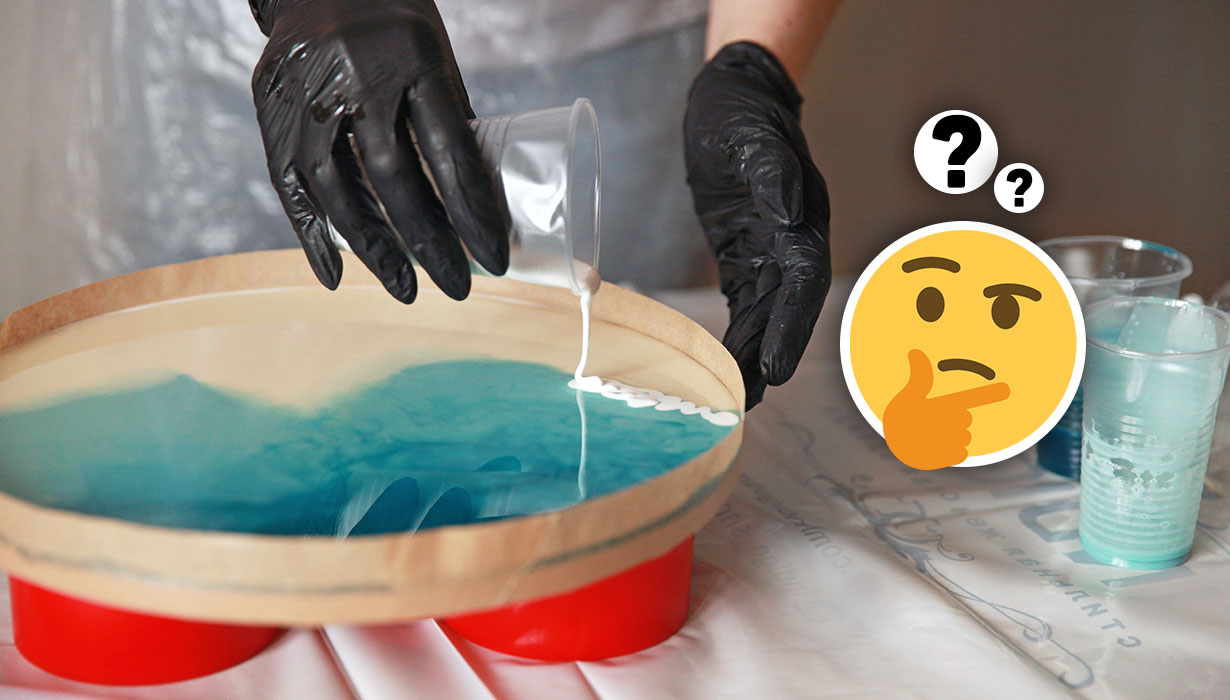
An insufficient mixture of resin and hardener can also lead to problems. It is important to mix the resin thoroughly, carefully scraping the bottom and sides of the container. Even the slightest lapse in attention at this stage can result in incomplete curing. The resin should be transparent and crystal clear after mixing. If streaks are present, the epoxy should be mixed further.
3. Avoid pouring layers before they have fully hardened:
It is extremely important to ensure that the previous layer is completely cured before pouring another. Otherwise, overheating can occur, which can negatively affect the quality of the final product. A patient approach is essential here to achieve optimal results.
4. Take the ambient temperature into account:
Ambient temperature plays a crucial role in the curing time of epoxy resin. At low temperatures, curing slows down considerably, which can lead to undesirable results. To avoid this problem, it is advisable to use an external heat source to raise the ambient temperature. The optimal ambient temperature for epoxy resin is between 15°C and 20°C. We recommend using a thermometer to monitor the temperature.
5. Add additives at the right time:
To achieve the best possible results, additives such as pigments and dyes should only be added after mixing the resin and hardener. This ensures that the chemical reaction is not disrupted and that the epoxy resin cures properly.
Overall, proper preparation and adherence to the points mentioned are key to ensuring that the epoxy resin cures flawlessly and achieves the desired result. Following the instructions precisely and handling the resin carefully will guarantee smooth and successful processing.

What to do if problems arise?
If the epoxy resin hasn't cured properly, it may be possible to post-cure the project in an oven at a maximum temperature of 50°C for no more than 3 hours. If an oven isn't feasible due to the project's size, other heat sources can also be used.
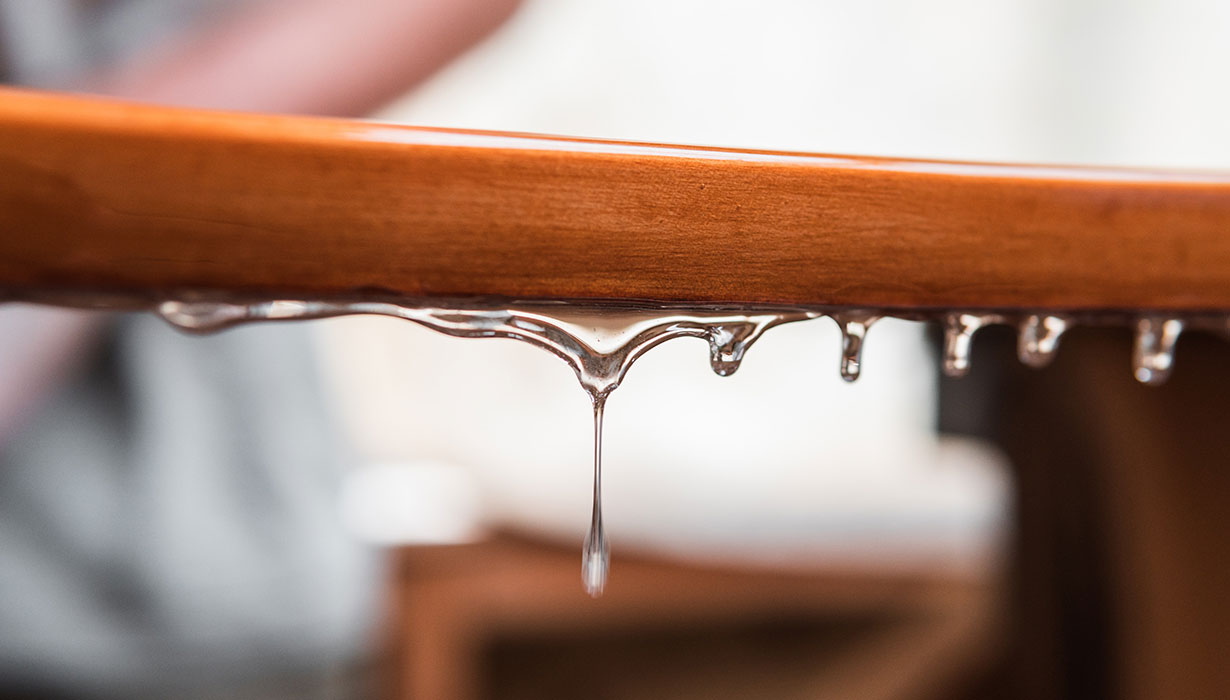
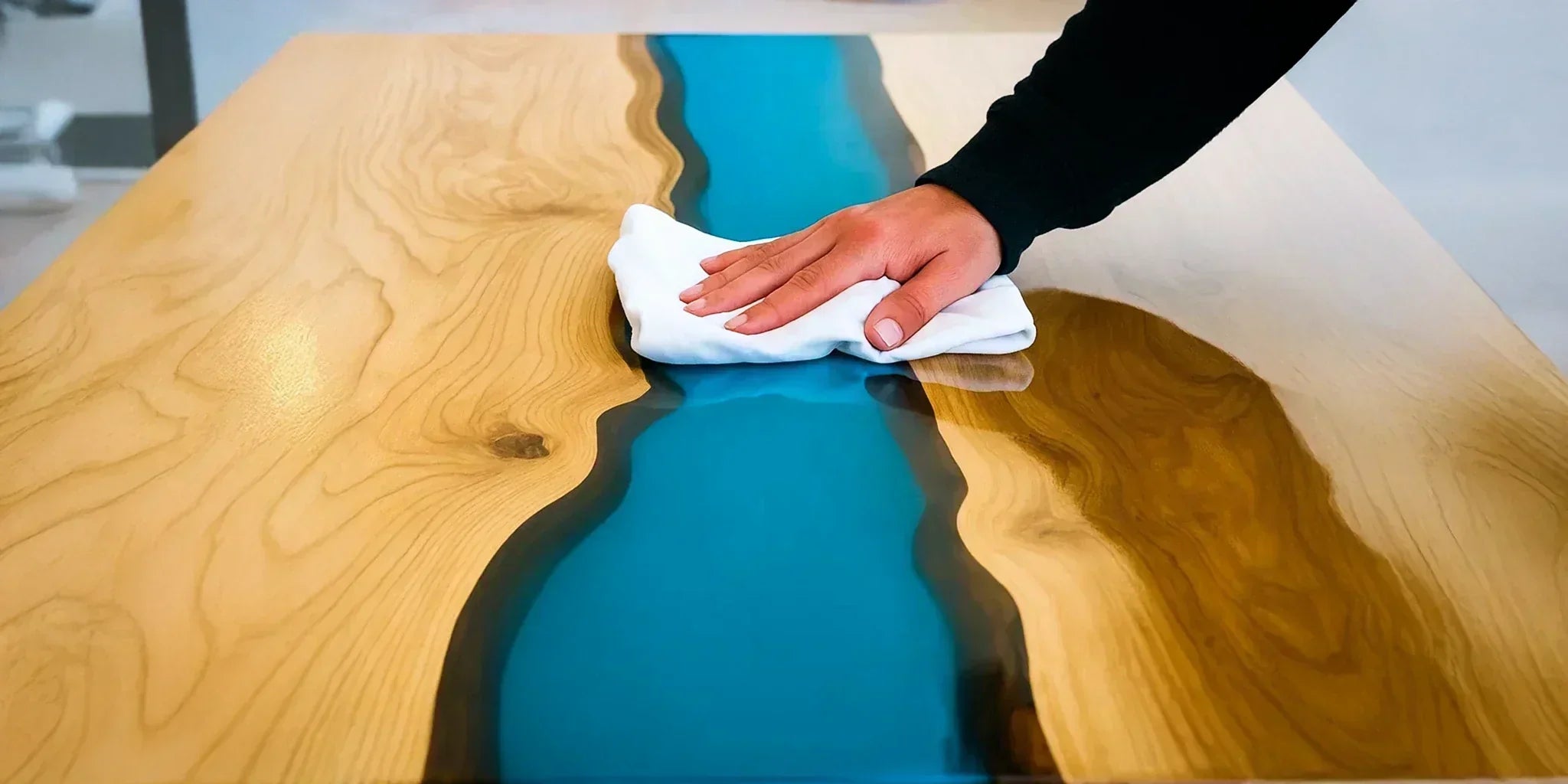
If the resin itself is hard, but the surface has a waxy or sticky layer, this layer can be wiped off with alcohol-based cleaners – such as our cleaning agent. After successful cleaning, a new layer of epoxy resin can be applied if desired.
We hope these tips will contribute to better results and wish you lots of fun and enjoyment working with epoxy resin.
Please fill out the following form to submit your withdrawal request.